Which Hair Products Should You Use?
Why? When? How?
First of all, how to know if you have hair loss:
• Top vs back/sides: Thinning on top, while hair on the back and sides stays thick, signals hair loss.
• Gradual thinning: Noticeable thinning over time on top of your scalp (not just a bad hair day).
• Receding hairline or bald spot: Common patterns of male/female pattern baldness.
• Loss of density: If your hair feels finer or see-through, it's likely thinning.
How NOT to spot hair loss:
• Maturing hairline: A natural change in your teenage years isn’t balding.
• Shedding hair: Daily hair loss (shower, pillow) is normal; focus on thinning over time.
• Bad hair days: One-off flat hair isn’t a sign of balding.
• Counting hairs: Don’t stress over a few strands; watch for consistent thinning.
• Trichologist check: To be sure, see a trichologist. They use magnifying tools to check if your hair is miniaturizing.
Minoxidil
When to use:
Once you're sure you're thinning, Minoxidil is the first hair loss treatment you should try. It gives the fastest results, but it won't guarantee you'll keep your hair forever. A foam solution is generally better than a liquid, as it absorbs more quickly and is less greasy. First results will show between 3-6 months.
What it does:
Minoxidil alters the hair growth phase, helping to regrow hair and slow further loss.
How to use:
Apply once or twice daily to clean, dry scalp in the thinning areas and allow it to absorb fully before styling. 2x application isn't necesserely more effective than one. But it's more foolproof, especially when you're just starting out. It guarantees that you will use enough product over the day. Once your application technique improves, 1x daily is sufficient.
maximizing Minoxidil's effect:
First visible results on Minoxidil will appear after 3-6 months. If you don't see any results at all or barely any - it makes sense to make use of microneedling or tretinoin. If you already respond well, you dont need them. They won't give you any additional benefit in that case.
But which one should you go for?
Topical tretinoin will convert complete non-responders into responders, so it's the better choice.
However, some people don't tolerate it well on their skin or they don't know how to get it prescribed (in case it needs a prescription in their country). It's actually prescribed for acne and would need to be prescribed off-label for hair loss.
This would require a trichologist/dermatologist who is aware of tretinoin's benefits for hair loss. Don't worry, it's generally often prescribed off-label for hair loss. But you might have better chances finding such a doctor through an online prescription service - just search for online pharmacies / teleclinics in your country and ask for an online consultation. That's how I used to do it too. In the end it's just a topical acne cream, nothing crazy. If you try hard enough you will definitely get it.
Microneedling can make Minoxidil up to 3 times more effective. But for complete non-responders it might be rather unlikely that it will help significantly. As a low responder it can definitely be worth a try.
Don't use both microneedling and tretinoin together, their effects are not stackable.
You can also make use of either one of them when you just start out with minoxidil - but then you will never know if you really needed them or not - if you're really a bad responder or not.
Just scroll down and you will find instructions specific to microneedling and tretinoin on how to utilize them - in their dedicated chapters.
Finasteride
When to use:
Once you're committed to a hair loss prevention routine, Finasteride can be stacked with Minoxidil to help keep your hair long term. It’s not listed here as it requires a prescription.
What it does:
It reduces DHT, the hormone responsible for hair loss, and helps protect existing hair.
How to use:
Take once daily as prescribed by your doctor. Usually 1 mg per day. If you don't tolerate, you can lower the dose or switch to a topical solution.
Natural DHT blockers
When to use:
If you just started out, didnt lose much ground yet and can "afford" to try things out first. Maybe you don't want to use Finasteride yet. They're likely not strong enough on their own, keep that in mind. More like a cherry on top. But they can give you an extra edge while on Minoxidil. I had that experience too. When they work, you might be able to progress a little more and keep the regrowth for longer. But stay realistic - that's not always guarenteed
What it does:
They seem to resuce DHT to some extent. On top of that they also resuce the binding of DHT to the receptors (like in your hair follicles) and
they're anti-inflammatory specifically in tissue where DHT binds to. As you see, they are known to have a variety of different mechanisms that revolve around the hair loss hormone DHT. That’s why they can positively impact hair loss even tho they actually dont reduce DHT that much.
How to use:
Like mentioned - highly recommended to be used alongside minoxidil.
And here are the product specific details 👇
Dosages + criteria (evidence-based):
Saw Palmetto:
• must be labeled as standardized
• should contain 85–95% fatty acids + sterols
• not extracted via alcohol
• 320 mg daily. Either 160 mg twice or 320 mg once.
Stinging Nettle:
• must be root extract
• not leaf extract
• should contain about ~1% lignans
• 300-600 mg once daily
Pumpkin Seed Oil:
• should be oil capsules
• 400–1,000 mg once daily
• Or 1–2 teaspoons cold-pressed as pure oil.
Microneedling
When to use:
If Minoxidil isn’t working for you, try microneedling to make it 3x more effective. Microneedling on its own though is barely effective.
What it does:
Microneedling creates micro-channels in the scalp, boosting Minoxidil absorption and stimulating hair growth.
How to use:
Use a 0.75mm needle length once a week, going over the same spot 15 times with gentle pressure. Until you covered the whole hair loss area. Avoid applying Minoxidil the same day. Titanium needles last a little longer until they go dull (usually 8 weeks), but stainless steel is probably more sanitary. If you tend to have very sensitive skin, stick to stainless steel. But it's really not that deep. Same goes with the choice of tools. Doesn't really matter. A stamp is more foolproof than a roller, but both can be used safely and efficiently. A roller gets the job done much quicker than a stamp, that's why I personally prefer it.
Topical Tretinoin
When to use:
If Minoxidil isn’t working, Topical Tretinoin can turn almost all non-responders into responders.
What it does:
Tretinoin enhances Minoxidil absorption and enzyme-activity. It's more effective than microneedling.
How to use:
Apply once daily, mixing it with Minoxidil or one right after the other - doesn't matter. Don’t use concentrations higher than 0.05%. Also taper up the frequency slowly - use it only 2x per week at first and start from there. Until you eventually use it daily. Your skin needs to get used to it first. Otherwise it might get irritated. It requires a prescription, so it’s not included in my product list here.
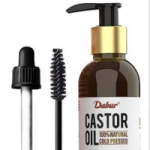
Castor Oil
When to use:
Use to make thin and dull hair appear much thicker and shinier.
What it does:
Castor oil coats the hair, giving it instant thickness and a natural shine, perfect for an immediate hair makeover. It's the thickest hair oil you can get. Nothing will cosmetically enhance your hair as much as this oil.
How to use:
Use 1-3 drops for your hair, as using too much can make it greasy. Distribute evenly through all your hair
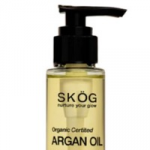
Argan Oil
When to use:
To give your hair a healthier appearance overall. Use after a hair wash to condition and nourish your hair.
What it does:
Argan oil deeply conditions the hair, improving its health and making it look smoother, shinier, and more manageable. Can be used instead of a traditional conditioner. Will do its job perfectly well.
How to use:
Apply a small amount to damp hair before drying to boost overall appearance and nourishment.
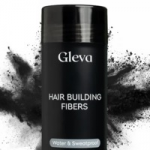
Hair Fiber
When to use:
Use when scalp visibility makes your hair look thin.
What it does:
Hair fibers cover the scalp, creating the appearance of fuller, thicker hair without clogging pores - safe for the scalp unlike alternatives like colored sprays.
It really makes a crazy difference. I used it a lot during my first years of suffering from hair loss. In colbination with a good hairstyle it completely masked my hair loss.
How to use:
Sprinkle on dry, styled hair, focusing on the thinning areas. Let it settle down to your scalp. It will stick to your scalp, don't worry.
Pomade
When to use:
Use when you need an easy-to-comb styling product that adds visual thickness. With thin hair, heavy styling products might lead to strong pulling forces when brushing or washing it out. This may cause more hair to fall out since it's already weakened from the hair loss.
What it does:
Pomade gives your hair hold and structure, making it appear fuller.
How to use:
Apply to dry or slightly damp hair and style as desired. It’s easy to comb out.
Serums (with essential oils like rosemary)
When to use:
When you want to keep your scalp healthy and free from infections and dandruff + it balances scalp oil production. Also has minimal hair regrowth potential.
What it does:
Serums with essential oils that fight scalp infections, reduce dandruff, and hydrate the scalp. It can indirectly regrow some hair this way. But thats very limited. Going from a bad to a good scalp enviroment might give you 5% more hair density at best. I've used essential oils (rosemary oil specifically) myself in the past (before starting Minoxidil) and it actually made me regrow some babyhair on my hairline. Don't expect wonders though.
How to use:
Apply few drops to the scalp 2-3x per week and massage in. Don't use too much or it will lay on your scalp.
Natural DHT Blockers (combined product)
When to use:
Combined products from reputable brands include multiple different reliable DHT-blocking ingredients. Using such product can be less of a hassle compared to relying on multiple different products.
What it does:
Natural DHT blockers, can reduce the effects of DHT. If you have rather mild hair loss genetics, they can work out very great alongside Minoxidil.
How to use:
Take a capsule daily as described on the back side of the supplement bottle.
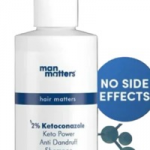
Ketoconazole Shampoo
When to use:
Use 1-2 times per week if you struggle with dandruff and/or want something to stack to your hair loss prevention stack.
What it does:
It effectively treats dandruff and has mild DHT-blocking properties - which means it helps a little with hair loss. It can be drying though. In cases of intense dandruff it's very effective.
How to use:
Massage into wet scalp, leave for 1-2 minutes, then rinse. Avoid frequent use if your scalp is dry.
Don't use more than 2x per week.
Shampoos
When to use:
Everyone should use shampoos. Use them whenever your hair gets too greasy or dirty. Highly depends on the person.
What it does:
All shampoos effectively cleanse the scalp, which is essential for healthy hair growth and allowing hair loss products to absorb properly. Not using shampoo leads to build-up of dirt and bacteria. Choose a shampoo with the right level of cleansing power for your hair - one that leaves your hair neither greasy nor dry. No shampoo is bad or damaging, you can try any shampoo you like. When my hair used to be very thin, dry and brittle (hair loss induced) I actually used baby shampoo. It has the lowest cleansing power and is surprisingly a very good pick for such cases.
How to use:
Use it at the very least once per week and try to avoid using it every single day - how often you need it differs from person to person.
Conditioners
When to use:
Conditioners are more important for those with long hair or dry, damaged hair to prevent breakage and keep hair strong.
What it does:
Conditioners hydrate and replenish hair, but some contain silicones that can clog pores. It's really not that deep usually, but if you suffer from hair loss, it's better to avoid such silicones. Water-soluble silicones (like dimethicone) are safer for thinning hair, while non-soluble ones (like cyclopentasiloxane) can block pores. I will add a good conditioner to my list soon. Oils usually do the job too, though.
How to use:
Apply to hair ends and leave for a few minutes before rinsing.
Best combination for instant fullness:
• Hair Fiber
• Castor Oil
• Pomade (in case hairstyling is needed)
Best combination for hair loss prevention:
• Minoxidil
• Finasteride
• Microneedling or Topical Tretinoin (only if Minoxidil isn’t working well)
Best combination for healthy-looking hair and healthy scalp:
• Argan Oil
• Castor Oil
• Rosemary Oil• Ketoconazole Shampoo (optional)